Gameplay SFX
Hits, pickups, doors, footsteps, weapons, with enough variations that the hundredth one still reads as a hit and not as a repeat.
Sound design · SFX · Foley
Players hear faster than they see. Sound design is where a hit gets its weight, a menu stops being annoying and a level stops feeling empty. All of it built from recorded material, so your game does not sound like a library everyone owns.
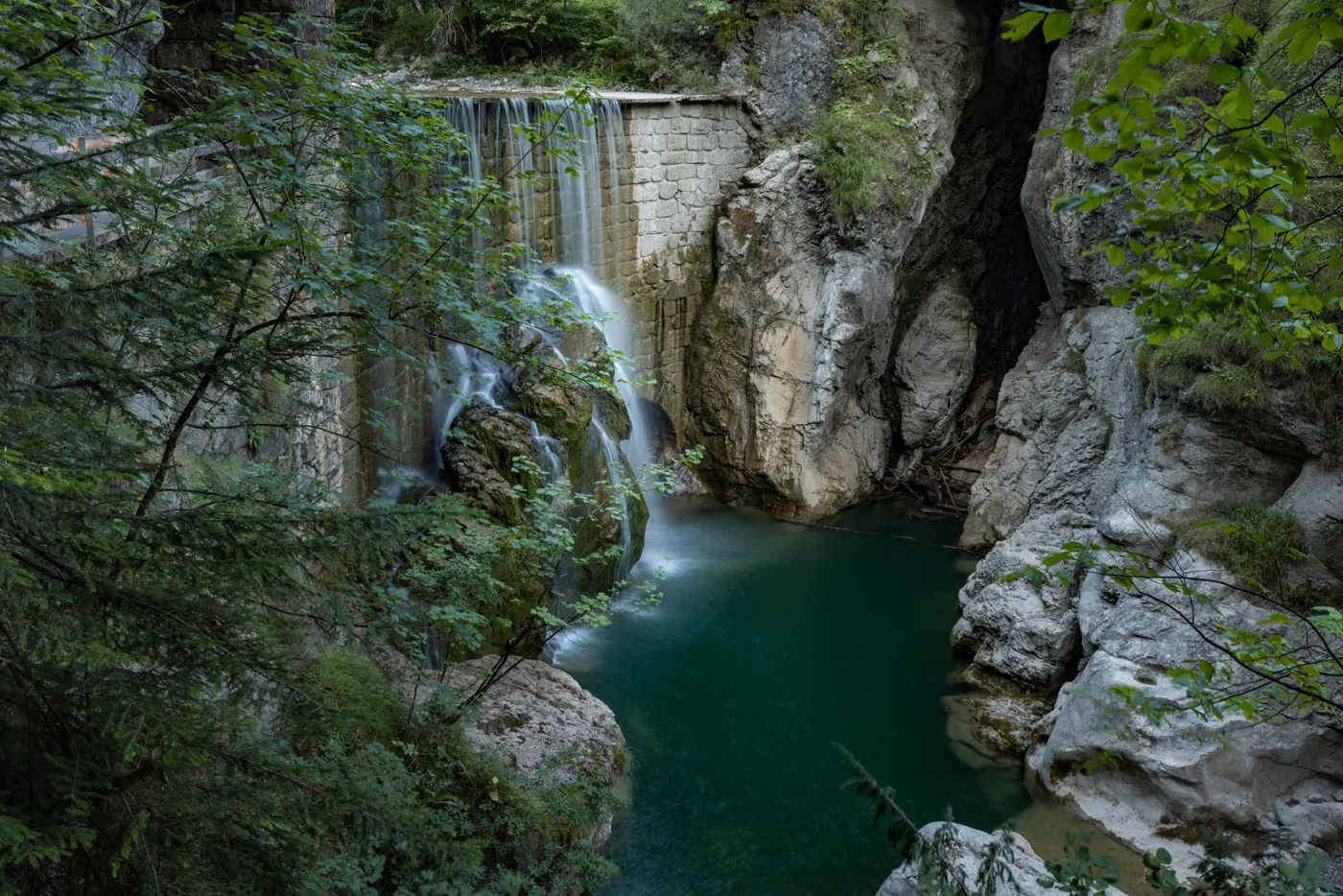
A dragon that never existed, designed here, and real places straight off the recorder. Press play. Nothing starts on its own.

Booked as a full set for a project, or as the single piece your game is missing.
Hits, pickups, doors, footsteps, weapons, with enough variations that the hundredth one still reads as a hit and not as a repeat.
Menu, confirm, error, level-up. Short, legible, quiet enough to live inside a session that lasts hours.
A voice for something that has never existed, built from recorded material rather than a preset everybody already owns.
Beds and loops that hold a room together, so a level sounds inhabited even when nothing is happening.
Movement, cloth, material, weight. Performed and recorded to picture or to the animation, not pulled off a shelf.
Your game already makes sound, but it does not sound like yours yet. Existing sets get sharpened or replaced.
Where the material comes from
A library sound is already used. It was recorded in someone else's room, someone else finished it, and it sits in a dozen other games. When I record the source material myself, nobody has heard it before. That is why the result sounds like your game and nobody else's.
Every file is UCS-named as it is recorded. A sound is still findable three years later, instead of being hunted for in a folder called new_final_2.
Start a project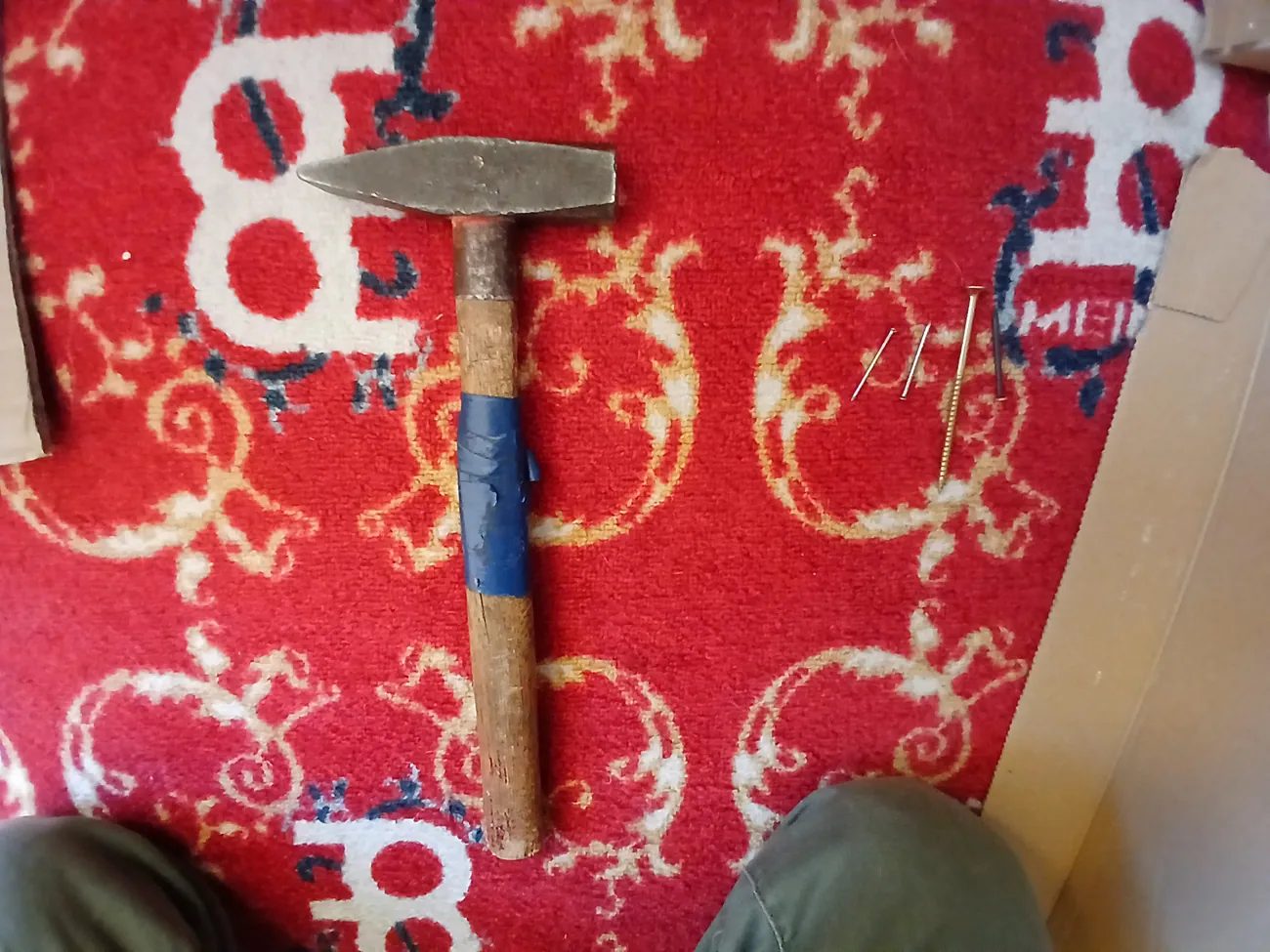
Three sessions, filmed while they ran. No game footage, no library. A room, a microphone, and whatever the sound needed that day. Each one plays its own recording; nothing starts until you press play.
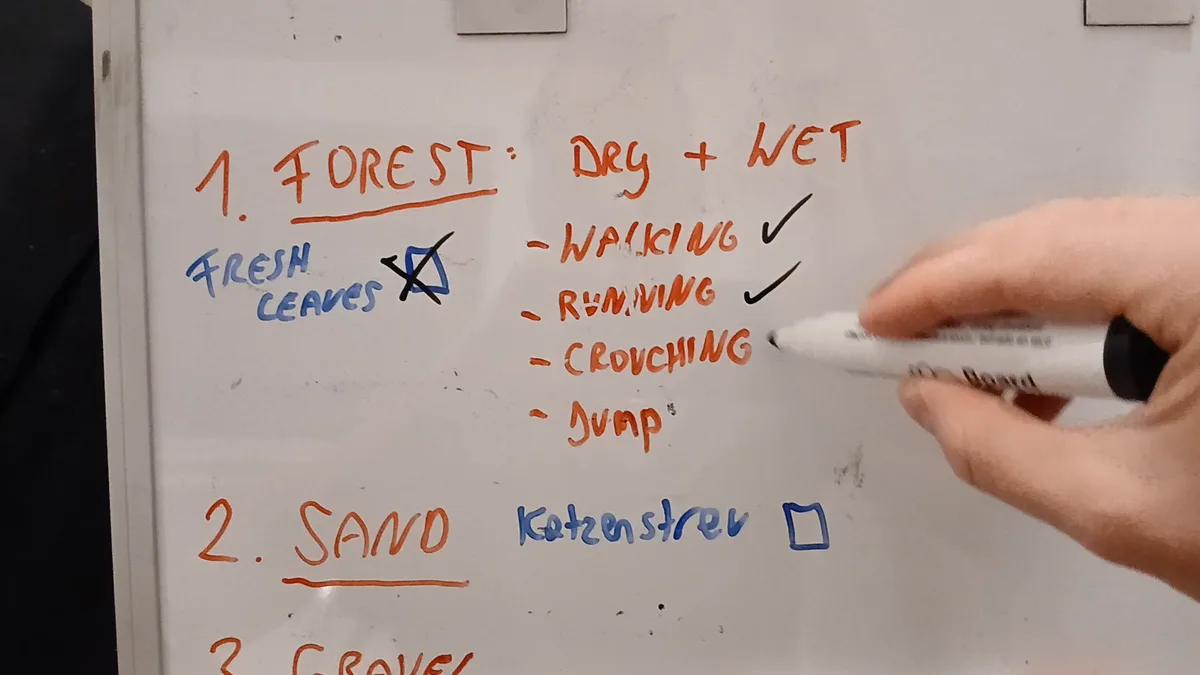
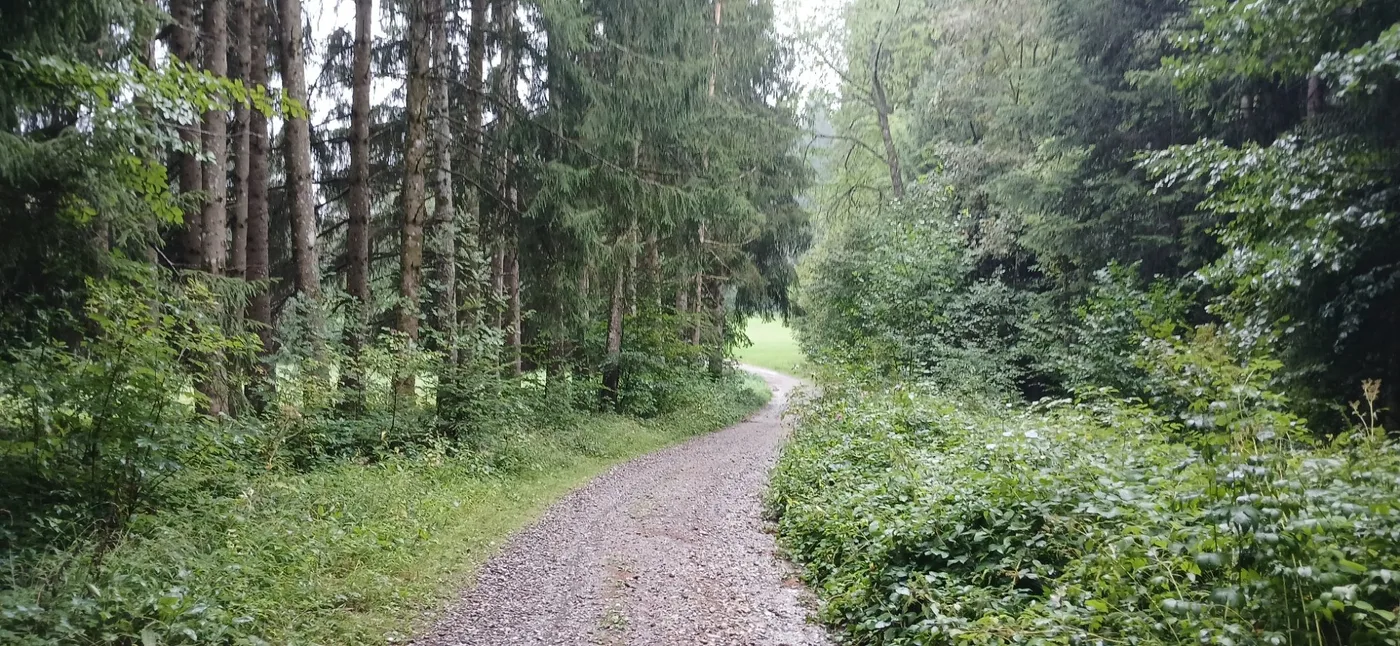
Surfaces first, then the moves on each one: walking, running, crouching, landing. Forest in two states, dry and wet. Sand, then gravel. Working through a list like this is what makes a set usable later, because every surface ends up with the same moves and nothing has to be faked in the edit.
Not everything comes out of the foley box. The Moog is not played here to hit notes, it is played to produce sound. What comes out is treated like any other recording. The riser on the home page was one of these takes first, before the distortion went on it.
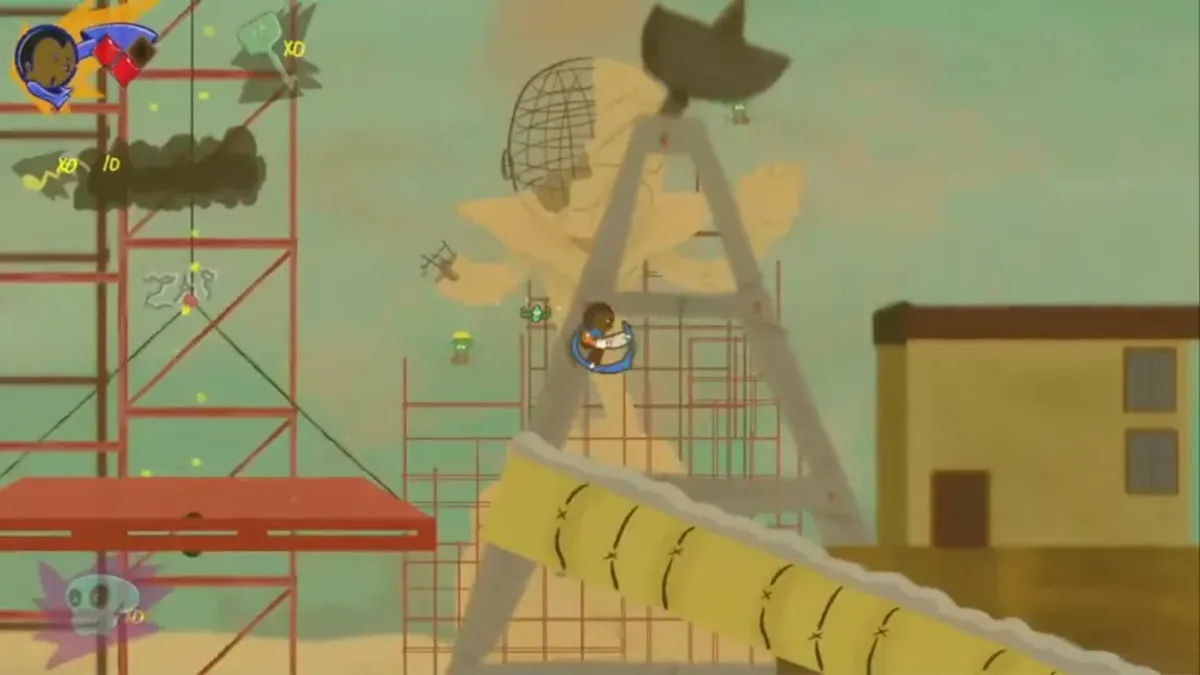
Every entry is linked, either to the case study here or straight to the game, so you can check it yourself.
Common questions
Fewer than a wishlist suggests, more than a jam build gets away with. Rather than guessing, the first pass over your build turns into a sound list: every event that needs to be heard, grouped by priority. You approve the list before anything is produced.
Where it makes sense, yes, but processed and layered, never dropped in raw. The character of a set comes from recorded material, which is why I keep recording my own.
Production-ready audio files for your pipeline: cleanly named, consistently levelled, in the format your project uses. Tell me how your project is set up and delivery is shaped to fit it from the start.
That is the normal case. A rough build says more about pacing and feel than a document does. Placeholder art and missing systems are not a problem.
Yes. Indie-sized projects are the core of this studio, not the exception. If the budget is tight we prioritise: first the sounds that define the game, the rest in stages.
Two sentences and a link are enough to start. You will get a personal reply with first thoughts on the audio.