
Original music · Adaptive score
The music knows
what you are doing.
A space shooter has four moods and no cutscenes to explain them. So the score was written as four states that share a harmonic world. The player never hears a new piece of music, only the same one changing its mind.
Four states, one score.
Step through them. Each excerpt is the mixed master, cued to its own loudest sustained passage. The file name and position are printed underneath.
The menu track is the whole world in miniature: the harmony everything else is built on, played slowly enough that a player can sit in it. Open space thins the same material out until almost nothing is left but pulse.
Combat does not add a new melody. It adds rhythm and register to the one already playing, so the switch reads as pressure rather than as a different song. The warp is the outlier: fourteen seconds, no loop, built to be interrupted by the jump landing.
- Main menu
- Out of zone
- Fighting
- Warping
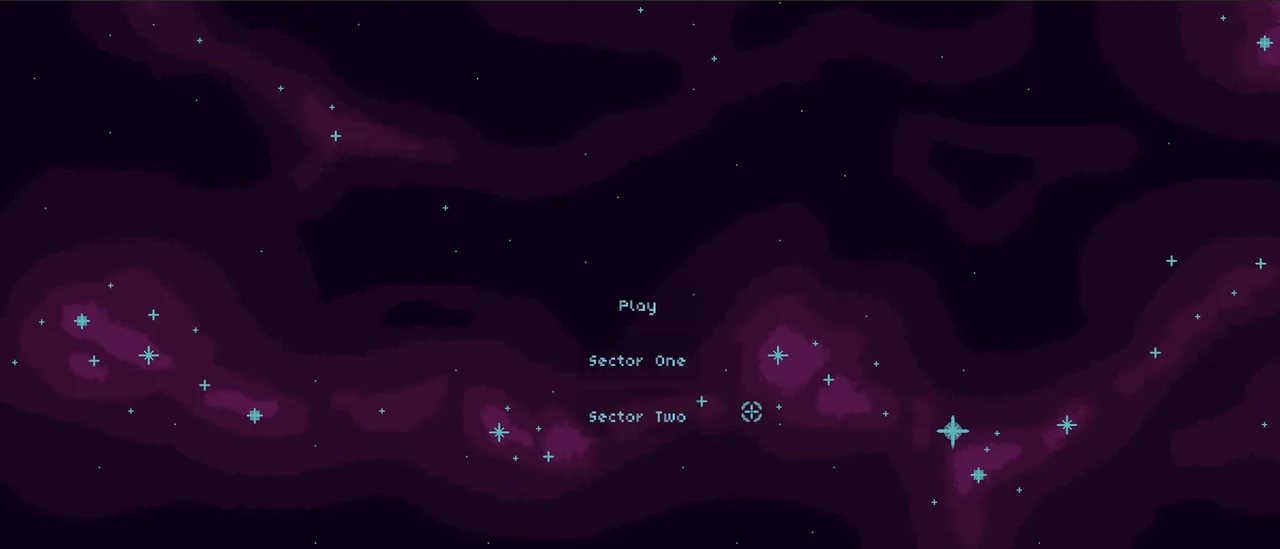
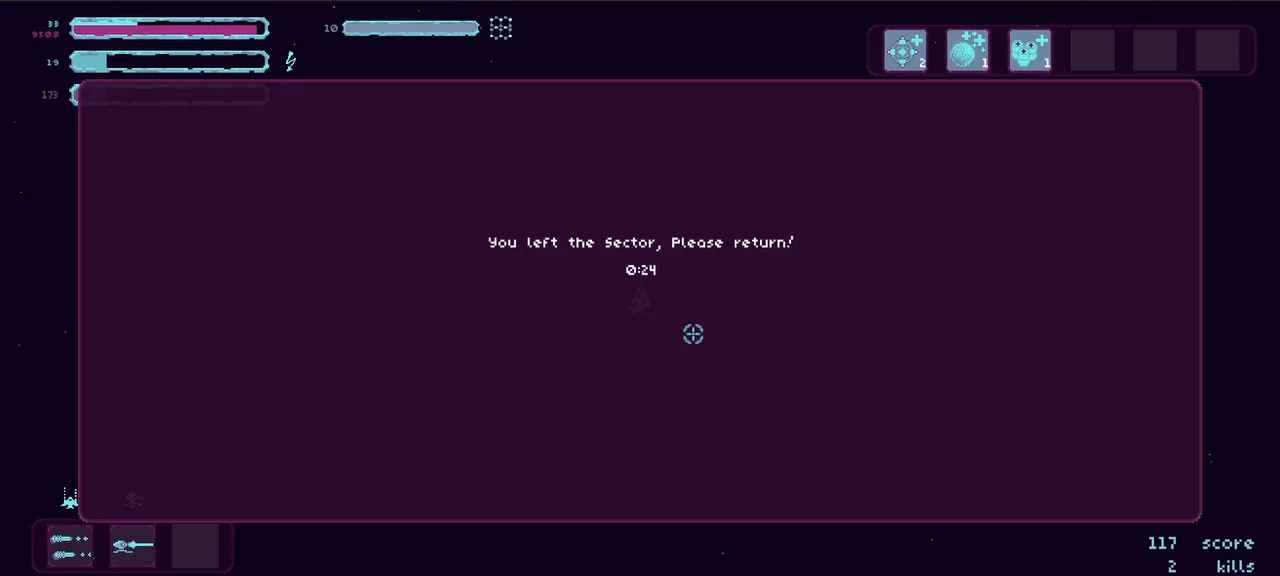
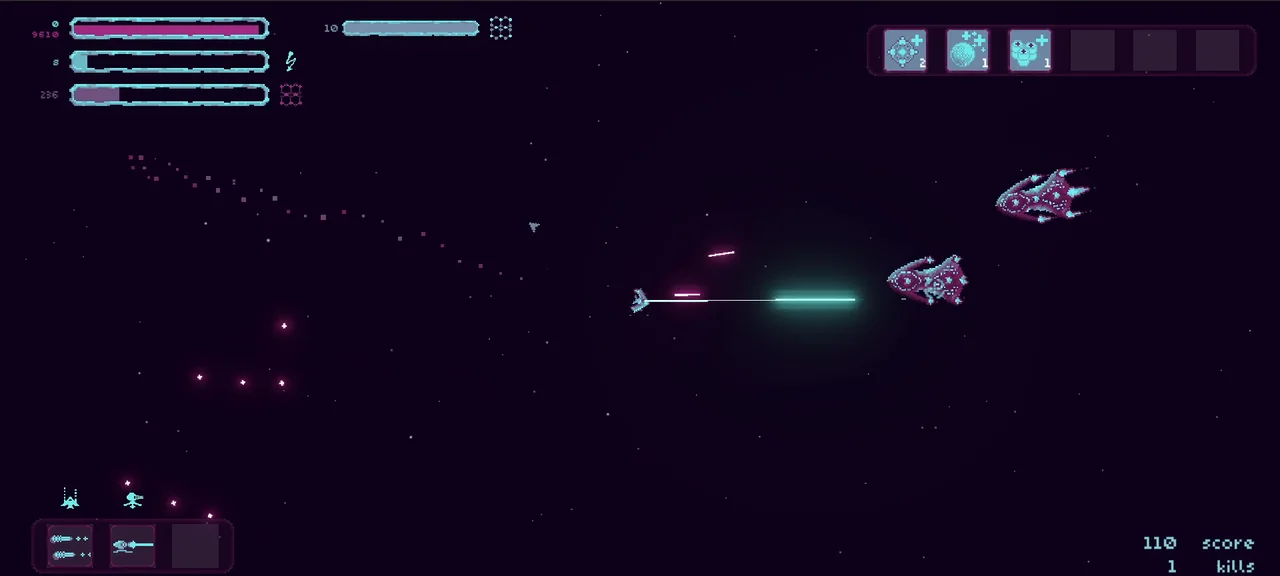
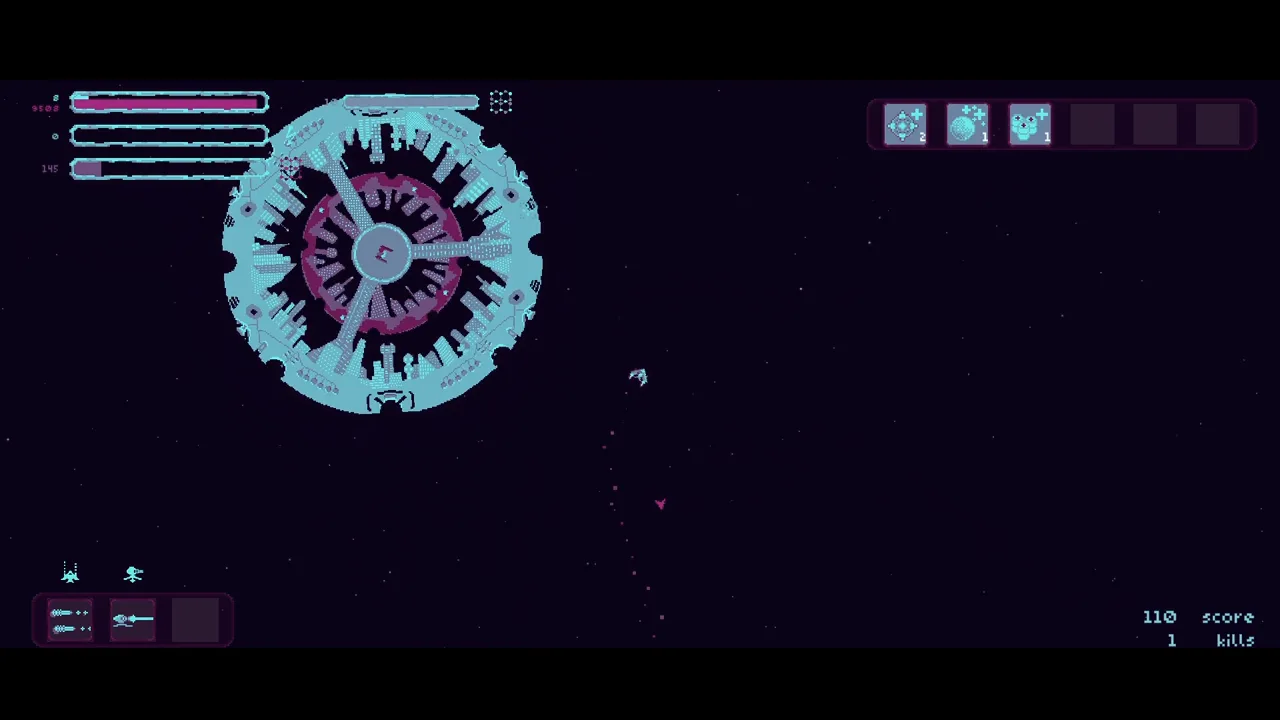
What the music is holding up.
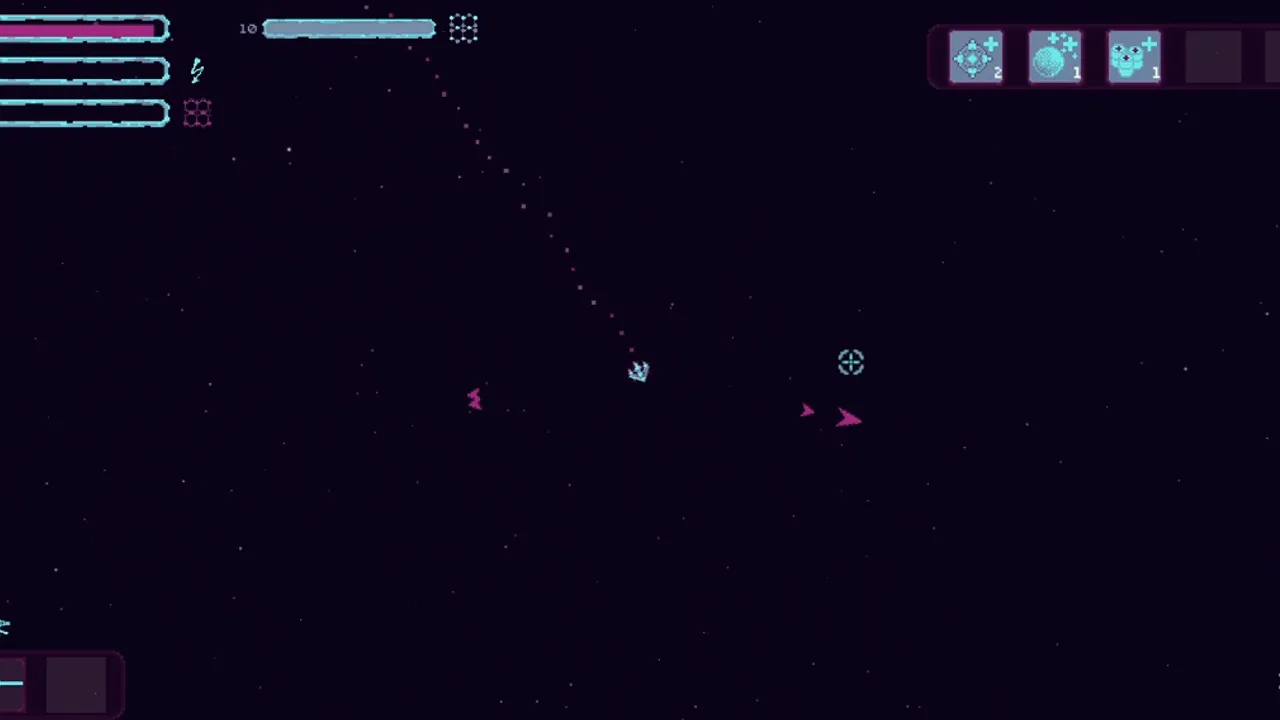
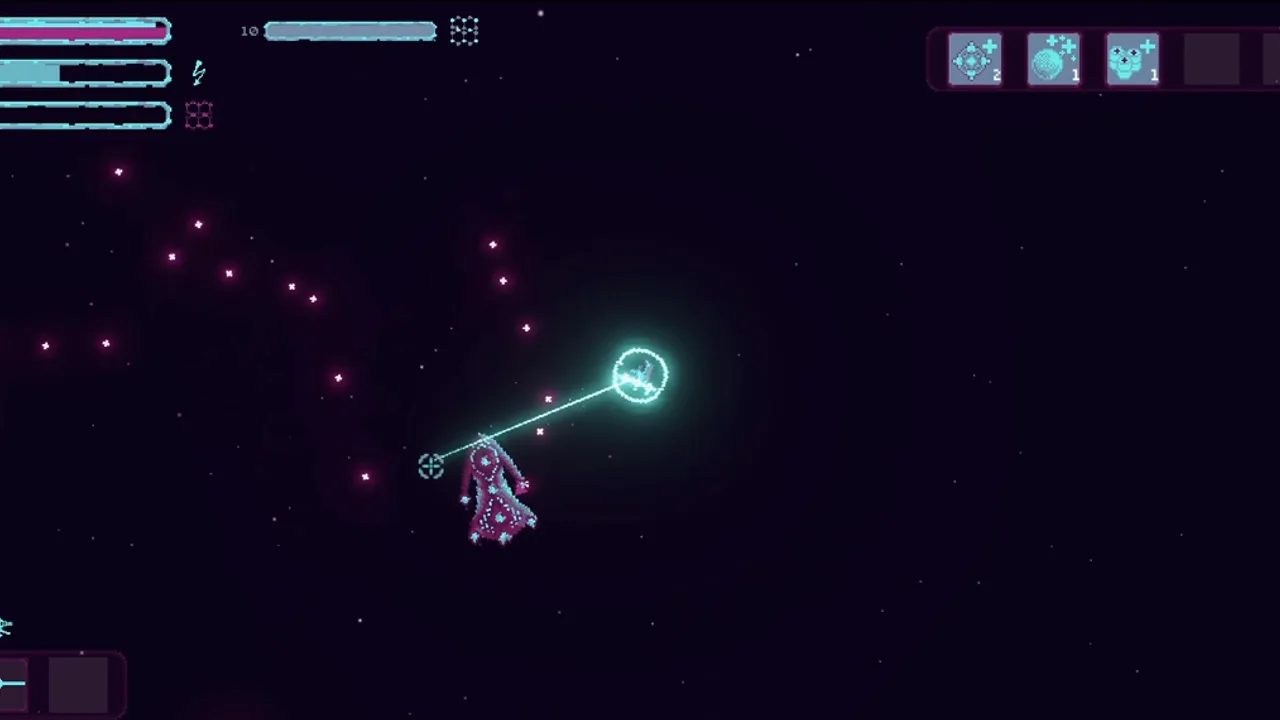
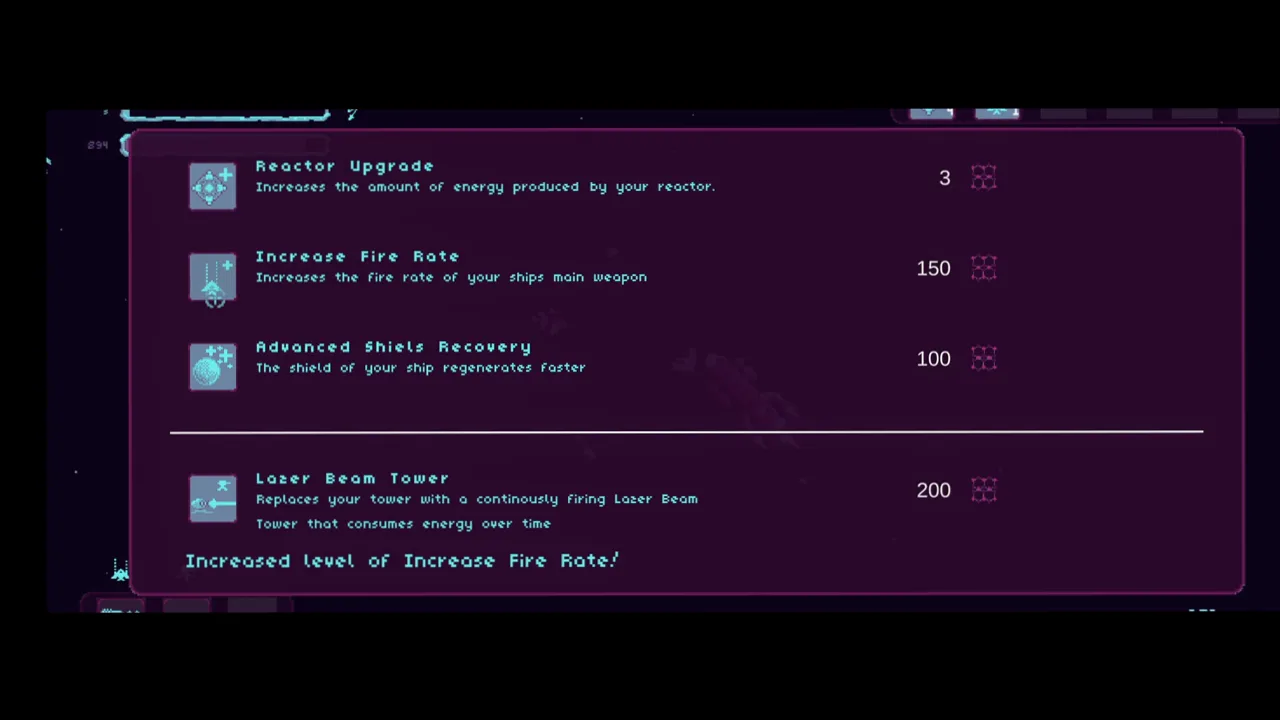
The trailer, with the score under it, and three moments from the build. Nothing loads until you press play.
Why states beat a playlist
The easy version of game music is a folder of tracks and a rule that swaps them. It works until the player notices. A track cuts, another starts, and for a second the game admits it is a machine playing files.
Writing the states from shared material means any two of them can meet without a seam. Same key, same tempo family, same instruments carrying the same figures. The transition stops being a problem to hide and becomes something you can actually use dramatically.
Written for a build that never shipped
Warpshift was not released. The score exists anyway, mixed and finished, which is why it is here: the work is the work, whether or not the game found its way out.
Does your game change mood?
Menu, exploration, combat, boss, defeat. If the music has to follow the player, it has to be written that way from the first bar. Tell me what your states are.